
The Experiential Learning Stream: Crafting a Sustainable Future
The landscape of learning and consumer engagement is undergoing a profound transformation. While traditional streaming platforms cater to passive consumption, there’s a burgeoning demand for interactive, skill-building experiences that resonate with a growing desire for sustainable living, hands-on creativity, and practical self-sufficiency. As advisors to discerning investors, we propose a business idea that masterfully merges these trends, leveraging a unique blend of expertise to carve out a defensible and high-potential niche.
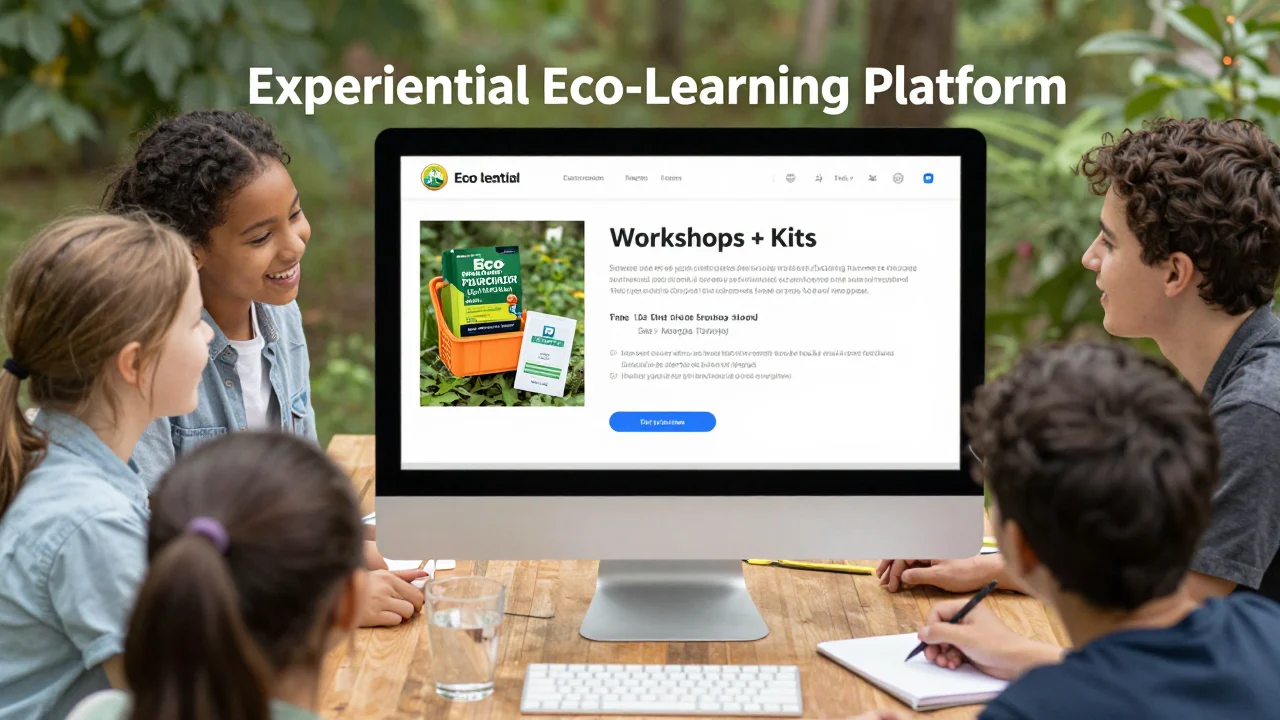
Our proposition is an interactive streaming platform dedicated to offering live and on-demand workshops, masterclasses, and guided projects focused on sustainable living, culinary arts, creative crafts, and eco-conscious practices. What sets this platform apart is its integrated e-commerce component: the optional delivery of meticulously curated material kits – from fresh, sustainably sourced ingredients for a cooking class, to upcycled textiles for a fashion workshop, or innovative biodegradable materials for a craft project. This closes the loop between theoretical learning and practical application, transforming passive viewing into an immersive, hands-on experience.
Why This Idea Is Promising
This concept taps into several powerful market forces and leverages our specific team’s strengths:
- Explosion of Experiential Learning: Consumers, particularly millennials and Gen Z, crave experiences over mere possessions. They are willing to invest in hobbies, skills, and personal growth. The “do-it-yourself” and “maker” movements are thriving. This platform directly addresses this need by providing structured, accessible, and high-quality experiential learning opportunities.
- Sustainability as a Core Value: The global consciousness around sustainability is accelerating. From food waste to fast fashion to eco-friendly packaging, consumers are actively seeking ways to reduce their environmental footprint. Our platform intrinsically integrates sustainable practices into every workshop, making learning to live more sustainably engaging and achievable.
- The “Kit Economy”: The success of meal kits and craft boxes demonstrates a strong consumer appetite for convenience coupled with curated ingredients/materials. We extend this model to a broader range of sustainable activities, eliminating the friction of sourcing materials and enabling immediate participation.
- Community & Interaction: Beyond passive viewing, the live workshop format fosters a sense of community, allowing real-time Q&A with instructors and peer interaction. This builds loyalty and engagement, critical for subscription-based models.
- Leveraging Unique Team Skills:
- Supply Chain Optimization for Food / Food Delivery and Ghost Kitchens: Essential for establishing efficient, sustainable sourcing networks for culinary kits, negotiating with local producers, and managing cold chain logistics for fresh ingredients. Expertise in ghost kitchens can even lead to sourcing high-quality, pre-prepared components for advanced cooking classes, streamlining the user experience.
- Skill Development and Upskilling Tools: Core to designing effective curriculum, building interactive learning pathways, and integrating progress tracking and certification elements into the platform. This skill ensures the educational content is pedagogically sound and engaging.
- New Materials & Packaging / Sustainable Fashion and Eco-friendly Materials: Crucial for identifying, sourcing, and incorporating cutting-edge sustainable materials into craft and fashion kits. This expertise also informs the platform’s content, offering workshops on upcycling, natural dyeing, and crafting with novel eco-materials. It also guides our own packaging choices for the kits.
- Urban Air Mobility: While perhaps not central to immediate operations, this skill provides a strategic long-term vision. It positions the company to explore future-proof logistics solutions for kit delivery, especially for high-value or time-sensitive items in urban environments. It can also inform content, perhaps a series on the “Future of Sustainable Urban Logistics” or “Vertical Farming & Drone Delivery,” showcasing thought leadership.
Go-to-Market Strategy: Building Momentum from $100k
Our go-to-market strategy will focus on a lean, community-driven approach to validate the concept and build a loyal user base within our initial investment.
Phase 1: Minimum Viable Product (MVP) & Pilot Launch (Months 1-6)
- Target Audience Identification: We will initially focus on eco-conscious individuals aged 25-45, living in urban/suburban areas, interested in culinary exploration, DIY crafts, home improvement, and sustainable living practices. They are digital natives comfortable with online learning and purchasing.
- Content Niche Focus: We will launch with 3-4 compelling core content series that leverage our immediate team expertise and offer high visual appeal and clear practical outcomes:
- Sustainable Home Cooking: e.g., “Zero-Waste Weeknight Meals” or “Fermentation Fundamentals with Foraged Ingredients.” (Leverages Food SC, Ghost Kitchens, Food Delivery).
- Upcycled Fashion & Craft: e.g., “Natural Dyeing & Textile Revitalization” or “Crafting with Biodegradable Polymers.” (Leverages Sustainable Fashion, New Materials & Packaging).
- Eco-Home & Garden DIY: e.g., “Building Your Indoor Herb Garden” or “Making Your Own Eco-Friendly Cleaning Products.” (Leverages New Materials & Packaging, general sustainability interest).
- Platform Development (Lean & Agile):
- We will prioritize core streaming functionalities (live/VOD), a user-friendly e-commerce interface for kit purchases, basic user profiles, and a simple payment gateway. We will leverage existing, cost-effective SaaS solutions (e.g., Vimeo OTT, Shopify, Stripe) where possible to minimize custom development costs.
- Skill Development & Upskilling Tools expertise will guide the UX/UI to ensure an intuitive learning experience and integrate basic progress tracking.
- Content & Kit Production (Pilot Scale):
- Our team will act as initial instructors and content creators. We will produce high-quality, engaging video content for the initial series.
- Supply Chain Optimization for Food and New Materials & Packaging expertise will be critical here, securing partnerships with local, sustainable suppliers for ingredients and craft materials, focusing on quality, cost-effectiveness, and ethical sourcing for our pilot kits.
- Sustainable Fashion and Eco-friendly Materials expertise will guide the selection of fabrics and craft components, ensuring they align with our brand values.
- Packaging will be minimal and eco-friendly from day one.
- Marketing & Community Building:
- Content Marketing: Create high-quality blog posts, social media content (Instagram, TikTok, Pinterest) showcasing behind-the-scenes content, DIY tips, and engaging visuals of our products and classes.
- Influencer Partnerships: Collaborate with micro-influencers in the sustainable living, food, and craft niches for authentic reviews and cross-promotion.
- Email List Building: Offer valuable free resources (e.g., mini-guides, recipe downloads) in exchange for email sign-ups to build a pre-launch audience.
- Launch Promotion: Special introductory pricing for early bird subscribers and kit bundles.
- Community Forums: Integrate a basic forum or private social media group to foster interaction among learners.
Phase 2: Growth & Expansion (Months 7-24 and beyond)
- Expand Content Library: Introduce new series, invite guest instructors, and explore advanced topics leveraging the full breadth of the team’s skills (e.g., “Urban Farming with Hydroponics” tapping into UAM for future-vision content).
- Strategic Partnerships: Forge deeper relationships with sustainable brands, local artisan communities, culinary schools, and educational institutions.
- Geographic Expansion for Kits: As demand grows, optimize logistics to serve a wider region, potentially exploring strategic warehousing or local fulfillment partners.
- Advanced Platform Features: Implement interactive quizzes, project submission capabilities, personalized learning paths, and community features based on user feedback.
- Monetization Diversification: Explore tiered subscriptions (e.g., access to basic courses vs. premium masterclasses), gift cards, corporate team-building workshops, and potential certifications.
Action Plan & Initial Financial Figures (The $100,000 Sprint)
The initial $100,000 must be meticulously allocated to maximize runway and achieve rapid validation and initial revenue generation. With a team of six highly skilled individuals, the early phase will rely heavily on equity compensation and minimal stipends, with a focus on channeling funds into essential operational setup and initial market entry.
Team Structure & Allocation (Initial Phase – first 3-6 months):
- Lead 1: Content & Curriculum Design / Sustainable Fashion & Craft Expert: Drives educational content, course structure, and specific fashion/craft workshops. (Skill Dev, Sustainable Fashion, New Materials).
- Lead 2: Culinary Content & Kit Sourcing / Food Supply Chain Expert: Oversees culinary curriculum, recipe development, and critical sustainable food sourcing. (Food SC, Food Delivery, Ghost Kitchens).
- Lead 3: Platform & Tech Lead: Manages MVP development, integration of e-commerce, and user experience, potentially leveraging external dev for specific components. (Skill Dev – tools aspect, general tech aptitude).
- Lead 4: Operations & Logistics / Material Sourcing Expert: Handles kit fulfillment, inventory management, sustainable packaging design, and non-food material sourcing. (New Materials & Packaging, Food SC – logistics).
- Lead 5: Marketing & Community Engagement: Drives brand awareness, social media strategy, influencer outreach, and community building.
- Lead 6: Strategy & Business Development / Future Vision: Overall business strategy, investor relations, partnerships, and integrating future trends (e.g., Urban Air Mobility applications).
Budget Allocation ($100,000 initial investment):
-
MVP Platform Development & Hosting (25% – $25,000):
- Subscription to a robust OTT platform (e.g., Vimeo OTT or similar white-label solution) for streaming: $5,000 (annual plan or initial months).
- E-commerce integration (e.g., Shopify subscription, custom development for kit integration): $5,000.
- Website design, basic CRM, analytics tools: $5,000.
- External developer contractor for specific integrations/customizations (as needed): $10,000.
- Focus: Leverage existing technologies to build fast, not reinvent the wheel.
-
Initial Content Production (20% – $20,000):
- Basic filming equipment (good quality camera, lighting, audio): $7,000.
- Editing software & subscription: $1,000.
- Small studio space rental (for high-quality shoots, or home-based setup enhancement): $4,000.
- Initial instructor stipends/honorariums (for pilot courses beyond founders): $5,000.
- Content library licensing (music, stock footage): $3,000.
- Focus: High-quality visual and audio for core pilot series to demonstrate value.
-
Initial Kit Inventory & Sourcing (30% – $30,000):
- Sustainable food ingredients (pilot runs for 2-3 culinary courses, ~200 kits per course): $10,000.
- Eco-friendly craft/fashion materials (pilot runs for 2-3 craft courses, ~200 kits per course): $10,000.
- Sustainable packaging materials for kits: $5,000.
- Initial tools/small equipment for kits (reusable where possible): $5,000.
- Focus: Establish reliable, sustainable supply chains for pilot volume. This is where the Supply Chain Optimization, Food Delivery, New Materials & Packaging, Sustainable Fashion skills are paramount.
-
Marketing & Customer Acquisition (15% – $15,000):
- Social media advertising (targeted campaigns on Instagram, Facebook, Pinterest): $7,000.
- Influencer collaborations (micro-influencers, affiliate fees): $5,000.
- Email marketing platform & initial list acquisition efforts: $1,000.
- Basic PR tools/outreach: $2,000.
- Focus: Drive targeted traffic to the MVP and generate initial sales and subscriptions.
-
Legal, Administrative & Contingency (10% – $10,000):
- Business registration, legal advice (terms of service, privacy policy), permits: $5,000.
- Software subscriptions (project management, communication, etc.): $2,000.
- Contingency fund: $3,000.
- Focus: Ensure legal compliance and provide a small buffer for unforeseen costs. Founders will likely draw minimal to no salary initially, relying on equity.
This lean approach allows us to rapidly build an MVP, test market demand with real products, and generate initial revenue streams from both subscriptions and kit sales. The immediate goal is to achieve product-market fit and demonstrate revenue growth that justifies further investment for scaling. The integrated value proposition, combined with a highly specialized and passionate team, positions this experiential learning stream to not just enter, but to define a new category in the booming interactive content and sustainable living markets.