

Sensory Edge: Unlocking Hyper-Personalized Futures in Physical Venues
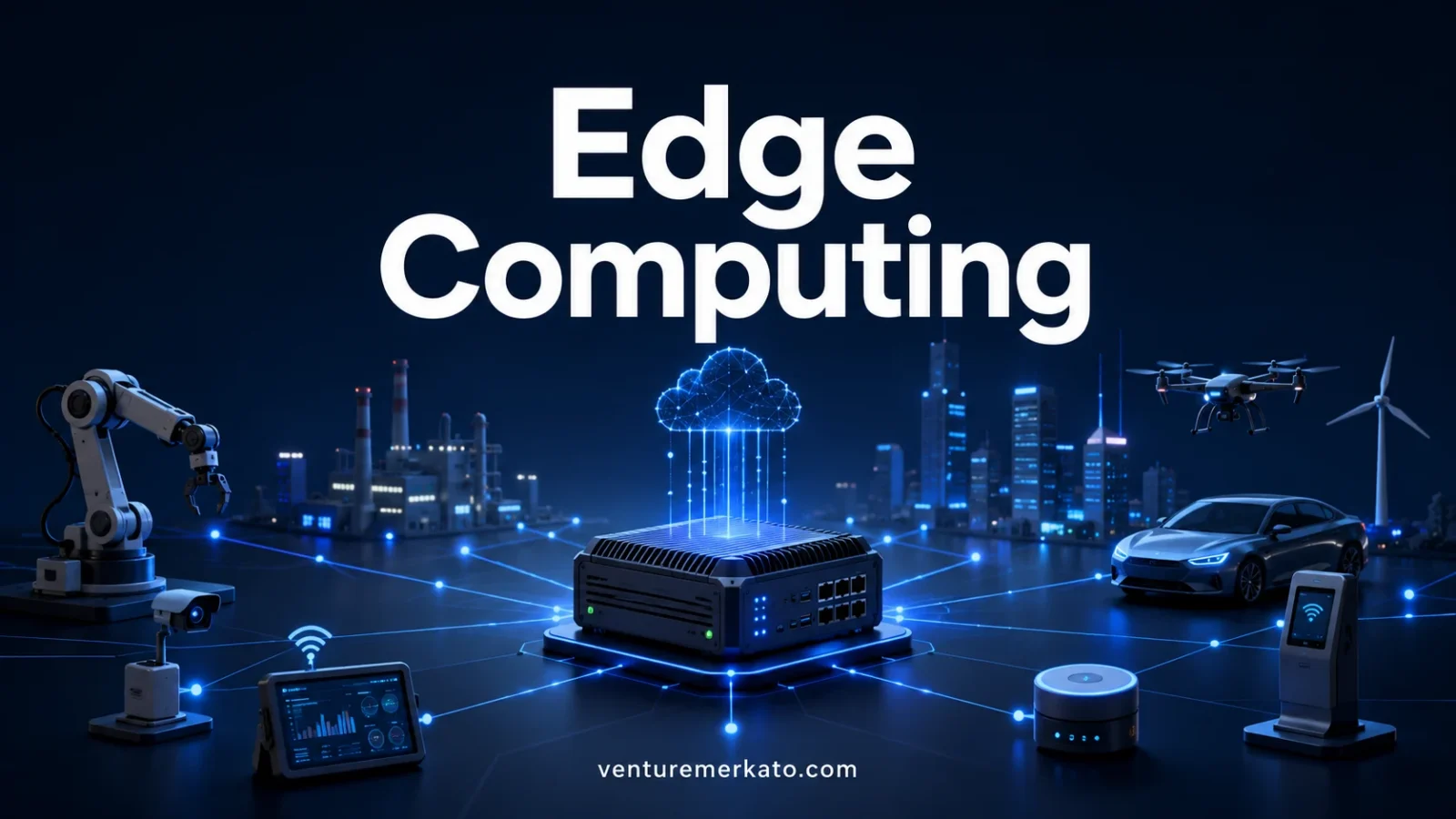
Good day, astute investors and forward-thinking innovators. As your advisor, blending insights from market research and innovation, I’m here to present a unique venture poised to capitalize on the burgeoning field of Edge Computing. We’re looking at a world increasingly shaped by data, and the real-time processing of that data, right where it’s generated, is becoming paramount. With a lean initial investment of just $200 and a remarkably diverse five-person team, we propose a business concept that transforms static physical spaces into dynamic, intelligent, and hyper-personalized environments.
The Business Idea: Sensory Edge
Our proposition, which we’ll call “Sensory Edge,” focuses on empowering physical venues – think retail stores, museums, sports arenas, convention centers, even smart factory floors, and specialized industrial facilities – to optimize visitor experiences, operational efficiency, and revenue generation through real-time, localized data processing. We envision these spaces not merely as locations but as living, breathing ecosystems that react intelligently and personally to every individual and event within them.
Sensory Edge will initially operate as a specialized consulting and rapid Proof-of-Concept (POC) development firm. We will offer bespoke, edge-native AI solutions that leverage sensor data, existing venue infrastructure, and our unique team’s multidisciplinary expertise to create dynamic, responsive environments. Our core value lies in bringing sophisticated, real-time intelligence directly to the point of interaction or operation, ensuring low latency, enhanced privacy, and significant bandwidth savings compared to traditional cloud-centric approaches.
Imagine a retail store where digital signage displays truly personalized promotions based on real-time shopper behavior, crowd flow is optimized to reduce queues, and staff are dynamically alerted to areas needing attention. Or a museum where exhibits adapt content based on a visitor’s known interests and emotional response, guiding them seamlessly through curated paths. This isn’t science fiction; it’s the immediate potential of Edge Computing, and Sensory Edge is designed to unlock it.
Why This Idea Is Promising
The promise of Sensory Edge is multifaceted, rooted in both market demand and our unique operational approach:
- Explosive Growth of Edge Computing: The market for edge computing is projected to grow exponentially. Businesses are increasingly recognizing the need for real-time analytics, lower latency, and enhanced data privacy, which traditional cloud models struggle to deliver for on-site applications. Our focus on physical venues taps directly into this demand.
- Untapped Value in Physical Spaces: While e-commerce has mastered personalization, physical spaces lag significantly. There’s an immense, untapped potential to enhance customer experience, optimize operations, and drive revenue in brick-and-mortar locations by applying real-time intelligence.
- Lean and Agile Start: The $200 initial investment forces us to be incredibly capital-efficient, leveraging intellectual capital and open-source tools. This lean approach reduces risk and allows for rapid iteration and adaptation based on early client feedback.
- Unique Team Synergy: The most compelling aspect is the unexpected synergy of our team’s diverse skills. While seemingly disparate, each skill set brings a critical perspective to building intelligent, responsive physical environments. This cross-pollination of ideas will lead to innovative solutions that single-domain firms cannot replicate.
- Data Privacy and Bandwidth Efficiency: Processing data at the edge inherently offers better privacy control, as sensitive data can be analyzed locally without being sent to the cloud. This is a significant selling point, especially in Europe (GDPR) and other regions with stringent data regulations. It also reduces bandwidth costs, a tangible saving for clients.
- Scalable Service Model: Starting with consulting and POCs allows us to build a portfolio of successful implementations and a recurring revenue stream through maintenance, support, and feature expansion, eventually evolving into a productized service or platform.
Leveraging Diverse Skills
The strength of Sensory Edge lies in its ability to synthesize our team’s unique, seemingly unrelated skills into a cohesive, powerful offering:
- AdTech and Programmatic Advertising (Specialist 1): This expert is crucial for designing and implementing hyper-personalized content delivery on digital displays, understanding real-time audience segmentation, and developing dynamic pricing models based on immediate context. They bring deep knowledge of user profiling, conversion optimization, and leveraging data for impactful real-time engagement.
- Synthetic Biology (Specialist 2): While not directly working with biological systems, this expert brings a profound understanding of complex adaptive systems, sensor data fusion, predictive modeling, and resource optimization within dynamic, often constrained environments. Their ability to design robust feedback loops, interpret high-dimensional sensor data (e.g., environmental, crowd movement), and optimize for specific outcomes (like human comfort or energy efficiency) is invaluable for building intelligent venue systems.
- Warehouse Automation (Specialist 3): This specialist contributes expertise in real-time asset tracking, logistics optimization, predictive maintenance for physical infrastructure, and designing efficient workflows within physical spaces. They are essential for optimizing crowd flow, managing inventory for concessions, and ensuring the smooth operation of interactive exhibits or facility assets within a venue.
- Gaming and Esports Platforms (Specialist 4): This expert understands low-latency data processing, real-time user engagement, gamification mechanics, and building robust, scalable platforms for high-volume interactions. They are key to designing interactive experiences, analyzing crowd behavior for optimal flow (like managing spectator ingress/egress), and ensuring that edge computing solutions deliver instantaneous, immersive responses.
- Personalized Travel Experiences (Specialist 5): This specialist focuses on understanding individual preferences, context-aware recommendations, and designing seamless user journeys. They are vital for creating intuitive wayfinding, delivering personalized content (e.g., “next attraction” or “closest less crowded restroom”), and enhancing the overall visitor experience in complex public spaces.
Together, this team can analyze a venue’s specific challenges, design innovative edge-native solutions that draw on cross-industry best practices, and rapidly prototype and deploy these intelligent capabilities.
The Action Plan: From $200 to Revenue
Our strategy is to operate with extreme fiscal discipline, leveraging intellectual capital and open-source solutions to demonstrate value quickly.
Phase 1: Foundation & Outreach (Initial 4-6 Weeks) – Budget: $200
- Legal & Administrative Setup (Est. $50):
- Secure a professional domain name (e.g., sensoryedge.co).
- Set up free-tier collaboration tools (Slack, Google Workspace, GitHub).
- Research simple business entity formation (e.g., LLC) in our jurisdiction; plan for formal incorporation upon securing initial revenue.
- Service Definition & Skill Mapping (Est. $0):
- Conduct intensive internal workshops to precisely define initial service offerings (e.g., “Real-time Crowd Flow Analysis POC,” “Personalized Digital Signage Pilot”).
- Document how each team member’s skills contribute directly to these services.
- Digital Presence & Marketing Materials (Est. $100):
- Create a clean, compelling landing page using a free/low-cost builder (e.g., Carrd.co, Google Sites) showcasing our value proposition and team.
- Develop a professional pitch deck highlighting case studies (even hypothetical ones initially) and the benefits of edge AI for physical venues.
- Optimize LinkedIn profiles for targeted outreach.
- Target Market Research & Outreach (Est. $50):
- Identify 5-10 potential pilot clients in our local/regional area (e.g., a specific museum, a mid-sized retail chain, a local sports venue, a university campus).
- Utilize free trials of sales intelligence tools (e.g., LinkedIn Sales Navigator) for targeted lead generation.
- Initiate personalized email and LinkedIn outreach campaigns to key decision-makers, offering a free initial consultation.
- Open-Source Tooling & Hardware Strategy (Est. $0):
- Team deep-dive into relevant open-source edge computing frameworks (e.g., KubeEdge, OpenYurt, EdgeX Foundry), AI libraries (TensorFlow Lite, OpenVINO), and data visualization tools that run on low-power devices (Raspberry Pi, NVIDIA Jetson Nano).
- Develop a clear strategy for advising clients on sourcing minimal, cost-effective edge hardware they might already possess or can easily acquire, minimizing our capital expenditure.
Phase 2: Pilot Projects & Initial Revenue Generation (Months 2-6)
- Client Acquisition & Proposal Development: Secure 1-2 pilot projects. These will be small-scope, high-impact Proof-of-Concepts (e.g., a 2-week engagement to demonstrate real-time queue reduction).
- Project Delivery (Lean & Agile):
- Leverage existing open-source tools and client-provided hardware.
- Focus on delivering tangible, measurable results quickly.
- Example: AdTech specialist defines personalized content rules; Gaming specialist designs engagement mechanics; Warehouse specialist designs sensor placement for crowd flow; Travel specialist defines user journeys; SynBio specialist models optimal system behavior/environmental controls. All work on an edge-native architecture.
- Pricing Strategy:
- Offer initial pilot projects at a significantly reduced rate (or even a nominal fee for a very specific, high-value scope) in exchange for strong testimonials, access to performance data for refinement, and the potential for a larger, paid engagement.
- Subsequent phases or larger projects will be priced at competitive consulting rates, reflecting the team’s specialized expertise.
- Infrastructure & Tooling: Primarily leverage client’s existing network and minimal, off-the-shelf edge devices. Utilize free tiers of cloud services only for optional, non-real-time data aggregation or dashboarding if required, always prioritizing local edge processing.
Go-to-Market Strategy
Our go-to-market strategy is founded on demonstrating value through targeted outreach and rapid, impactful pilot projects:
- Targeted Niche Focus: Initially, we will target specific verticals where the synergy of our team’s skills offers immediate, clear value. Examples include:
- Mid-sized Retail Chains: For personalized digital signage, real-time queue management, and optimizing in-store promotions.
- Museums & Cultural Institutions: For enhanced visitor engagement, personalized exhibit guidance, and dynamic environmental control.
- Convention Centers & Event Venues: For crowd flow optimization, dynamic scheduling, and personalized attendee experiences.
- Content Marketing & Thought Leadership: Develop blog posts (like this one!), case studies (even hypothetical ones initially), and whitepapers highlighting the benefits of edge AI for physical spaces. Our diverse team can contribute unique perspectives, establishing us as thought leaders.
- Direct Outreach & Networking: Aggressively pursue direct outreach to decision-makers in target organizations via LinkedIn, professional associations, and local business networking events. The pitch will focus on solving a specific pain point with a low-cost, high-impact pilot project.
- Partnerships: Explore partnerships with existing hardware vendors (e.g., digital signage manufacturers, sensor providers) or system integrators who lack our specialized edge AI expertise. We can be their “smart layer.”
- Referral Program: Once initial projects are successful, incentivize client referrals with discounts or additional services.
- “Show, Don’t Tell” Approach: Our initial success hinges on delivering compelling POCs that clearly demonstrate ROI, acting as powerful case studies to attract subsequent, larger clients.
Updated Financial Figures (Initial Stages)
Let’s project the financial trajectory beyond the initial $200 outlay, focusing on the first six months.
- Initial Investment (Month 1): $200 (Domain, Basic online tools, Initial LinkedIn Premium trial for outreach, basic Canva subscription).
- Month 1-2 (Outreach & Proposal):
- Costs: Minimal operating costs, mainly time. (Assume team works on deferred compensation, driven by equity and future profit share). ~$50 for extended software trials or minor ad-hoc expenses.
- Revenue: $0
- Month 3-4 (First Pilot Project Secured & Delivered):
- Assuming we secure one small-scale Proof-of-Concept (POC) project. This project is intentionally low-priced to build a strong case study.
- Revenue: $3,000 (for a 4-week, well-defined POC).
- Costs: $200 (Basic project management software, enhanced collaboration tools, maybe a small targeted ad campaign on LinkedIn). This also starts covering incorporation fees for the entity (~$500-$1000, we’d aim to defer this to end of Month 4 if possible from project revenue).
- Net: ~$2,800
- Month 5-6 (Second Project / Expansion of First):
- Based on the success of the first POC, we either expand the existing project or secure a second, slightly larger engagement.
- Revenue: $7,000 – $12,000 (could be expansion of first project, or a new 6-8 week engagement). Let’s use an average of $9,500.
- Costs: $500 (Small stipends for team, legal fees for formal incorporation, subscription to more robust sales/marketing tools, initial accounting software).
- Net: ~$9,000
- Cumulative Financials (End of Month 6):
- Total Revenue: ~$12,500
- Total Costs (Excluding initial $200): ~$1,450 (incorporation, software, small stipends)
- Net Profit: ~$11,050
- Cash Position: ~$11,050 (minus any initial team stipends or distributions, but assuming reinvestment for growth).
This projection demonstrates that with a $200 initial capital, a dedicated team, and a smart, service-oriented approach leveraging in-demand technology, it’s entirely feasible to generate substantial revenue within the first six months, allowing for sustainable growth and a stronger foundation for future expansion.
Sensory Edge represents an agile, intelligent approach to a rapidly evolving market. By harnessing the power of Edge Computing and the diverse brilliance of our team, we are not just building solutions; we are redefining how physical spaces interact with and serve humanity, one hyper-personalized experience at a time. The future of intelligent environments starts at the edge, and we are ready to lead the charge.